History of Ceramic Technologies & Ceramic Decal Printers
From cave paintings and silk screening to ink-jet and the birth of digital ceramic decal printing in the late 1980s.
Timeline
From cave paintings to digital ceramic decal printing
Prehistory
Inorganic (ceramic) paints on cave walls and clay pots still survive with their pictures intact.
1700s
Screen printing is introduced in Europe with the greater availability of silk for fine mesh screens, hence “silk screening.”
Early 1900s
Photo-sensitive chemistry is introduced and simplifies the creation of the print screen.
Late 1970s
Ink jet and other digital printing technologies arrive, enabling inexpensive printing of one item at a time.
Late 1980s
Ceramic toners are installed in 4 color digital LASER printers. Digital ceramic decal printing is born.
1990s–2000s
LASER printers improve dramatically and ceramic toner formulations evolve, bringing prices within reach of almost everyone.
Put the technology to work
Longer than anyone in North America
Enduring Images has been using this technology and selling and servicing ceramic printers longer than anyone in North America. Tell us what you want to decorate and we’ll come back with a quote.
Get a Quote
We would like to hear from you. Please send us a message by filling out the form below and we will get back with you shortly.
Chapter one
From Cave Paintings to Silk Screening
For many thousands of years people have been painting with inorganic (ceramic) paints. The earliest of these were little more than dirt, in a variety of colors, mixed with water. Paintings on cave walls and prehistoric clay pots still survive with their pictures intact. Due to the impressive durability of ceramics, these paints were widely used and over time become more refined. The clay substrates evolved into various shapes such as tiles and tableware and the process of firing improved. Various colored tiles assembled into mosaics adorn temples through various parts of the world and are still beautiful after many hundreds of years in outdoor exposure. The durability of ceramic materials established them as the materials of choice in numerous applications and end uses.
The first significant advancement in ceramic printing technologies was the introduction of screen printing. While used for many centuries in the orient, screen printing was introduced in Europe in the 1700’s with the greater availability of silk used to weave fine mesh screens – hence the moniker “silk screening.” In the early 1900’s, photo-sensitive chemistry was introduced and simplified the creation of the print screen. Photo chemistry advanced throughout the 1900’s and as it did screen printing became a standard industrial and artistic method for imaging a wide variety of materials in addition to ceramic materials. It remains an industry standard for print runs in the hundreds to thousands of copies and has expanded well beyond ceramic inks/glazes to include a wide variety of synthesized organic dyes and pigment based printing inks.
Chapter two
The Digital Printing Revolution
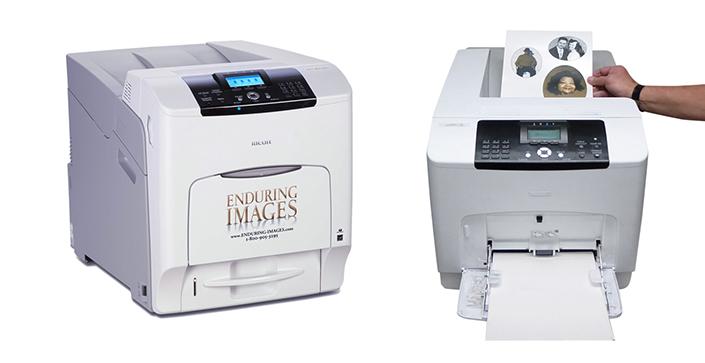
Two of the most significant disadvantages of screen printing are the cost of making the screen itself and the image resolution limitations of multicolor screen decorations which require a screen for each color in the decoration printed one at a time in registration. The cost of making screens limited the economic usefulness of screen printing technology to runs of several hundred or more of a specific design. This limitation disappeared with the introduction of ink jet printing and various other digital printing technologies in the late 70’s. Digital printing, ink jet specifically, has enabled inexpensive printing of one item at a time and has revolutionized the printing and photography industries. You no longer send film to a photo shop to be developed, you print your digital photos on your desktop ink jet printer. Unfortunately, ink jet is only useful for printing with organic inks. The physical properties of ceramic pigments make them very difficult to print through an ink jet printer. As a consequence, ceramic printing remained a screen technology through the digital revolution of the 80’s and most of the 90’s. Ceramic screen printing can be used to print directly onto flat surfaces or used as a ceramic decal printer.
Chapter three
Digital Ceramic Decal Printing Is Born
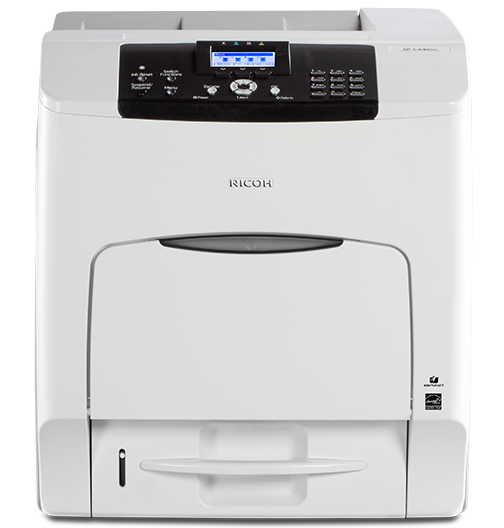
In the late 1980s, ceramic toners were installed in 4 color digital LASER printers – digital ceramic decal printing was born. Through the 1990’s and into the 2000’s LASER printers improved dramatically. Ceramic pigment based toner formulations for four color and single color LASER devices evolved. This new process brought prices down within reach of almost everyone. The result of this evolution is a ceramic decal that can be used to decorate a very wide variety of ceramic materials in economic quantities of one to one thousand. Enduring Images has been using this technology and selling and servicing ceramic printers longer than anyone in North America.
Want to Learn More or Get a Quote?
Tell us what you want to decorate and we’ll come back with a system recommendation and a quote.
